An interview with Martin Salzke, Jindera NSW

Martin Salzke at Coolabah
Martin Salzke of Jindera, NSW, shares his experience building a practical, resilient flock within a mixed farming system. Having worked with East Loddon for the past four to five years, he reflects on the role of genetics in improving wool quality, consistency and overall performance in a variable environment.
1. Can you tell us a little about yourself and how you first got into sheep farming?
I’m born and bred on a mixed farm that’s been in the family since 1897, originally started by my great-grandfather. Sheep have always been part of the operation, so it’s something I’ve grown up with and continued on with. Over the years we’ve run a mix of enterprises, but sheep have remained a constant, and historically we’ve always sourced rams from the western regions to suit our conditions.
2. How long have you been a client of East Loddon, and what initially drew you to their genetics and sheep?
We’ve been working with East Loddon for around four years now. At the time we were looking to lift wool quality, particularly focusing on long, bold crimp and soft, well-defined staples. When we first saw the sheep, they really stood out in those areas, and it felt like a direction that would suit both our environment and long-term breeding goals.
3. What makes sheep farming at your operation in Jindera unique?
We run sheep as part of a broader mixed farming system, so they need to be practical and efficient rather than high-maintenance. Our focus is on animals that can perform consistently alongside cropping and other enterprises. That means selecting sheep that are productive, easy to manage and able to handle the seasonal variation we experience here.
4. What were your first impressions when you introduced East Loddon sheep into your flock?
Our first impression was very positive. When we attended the open day, the rams were extremely well presented and consistent. What also stood out was the personal approach – we hadn’t been there long before Tom came over and introduced himself, having noticed we were new. That level of engagement gave us confidence we were dealing with people who genuinely cared about their clients and their sheep.

5. How have East Loddon genetics performed on your property over the past 4–5 years?
They’ve performed well for us at Jindera. The most noticeable improvements have been in wool length and softness, which have both lifted across the flock. Over time that consistency starts to add up, and it’s been encouraging to see those gains coming through year after year.
6. East Loddon sheep are described as fit for environment. What does that mean to you day-to-day?
For us, being fit for environment means sheep that cope with the normal pressures of running a commercial operation. They need to stay productive without constant intervention. Even when management timings haven’t been perfect, the sheep have handled it well and stayed sound, which is exactly what you want in a practical flock.
7. How have the sheep handled seasonal challenges such as drought, variable pasture, heat or cold?
Like most producers, we’ve seen our share of seasonal variation. The East Loddon sheep have shown they can adapt to those conditions, holding their condition and continuing to perform through the tougher periods. That reliability is important because it gives you confidence in your breeding direction.
8. In what ways have you seen their adaptability and resilience benefit your farm’s sustainability?
Resilient sheep make the whole system easier to manage. When animals can maintain productivity through different seasons, it reduces the need for extra inputs and allows you to plan with more certainty. That contributes to both the sustainability of the farm and the efficiency of the operation overall.

9. How have the sheep performed in terms of fertility, lamb survival and overall flock health?
Historically we joined bought-in Merino ewes to terminal rams, and our lambing percentages have remained strong. Our best results have been around 147% lambing and about 138% at weaning, which shows good survivability and flock health. Maintaining those figures while improving wool quality has been a positive outcome for us.
10. How have East Loddon sheep contributed to your business outcomes, financially or operationally?
The improvements in wool characteristics have helped with consistency and value, and having sheep that hold up well reduces labour and management pressure. Operationally, that reliability is just as important as the financial return, because it keeps the system running smoothly.
11. Looking back, what has been the biggest benefit of partnering with East Loddon?
When I compare our wool now to what we were producing years ago, the biggest change is the defined crimp, softness and staple length. That improvement is clear, and it’s probably the most obvious benefit we’ve seen from the genetics over time.
12. What’s one piece of advice you’d give someone considering East Loddon sheep?
Be organised and plan your shearing dates early. If you’re running a six-month shearing program, you’ll be seeing your shearers regularly, so it pays to stay ahead of it. And enjoy the process – good wool results come from consistency in management.
13. What’s next for you and your farm? Any goals for the coming seasons?
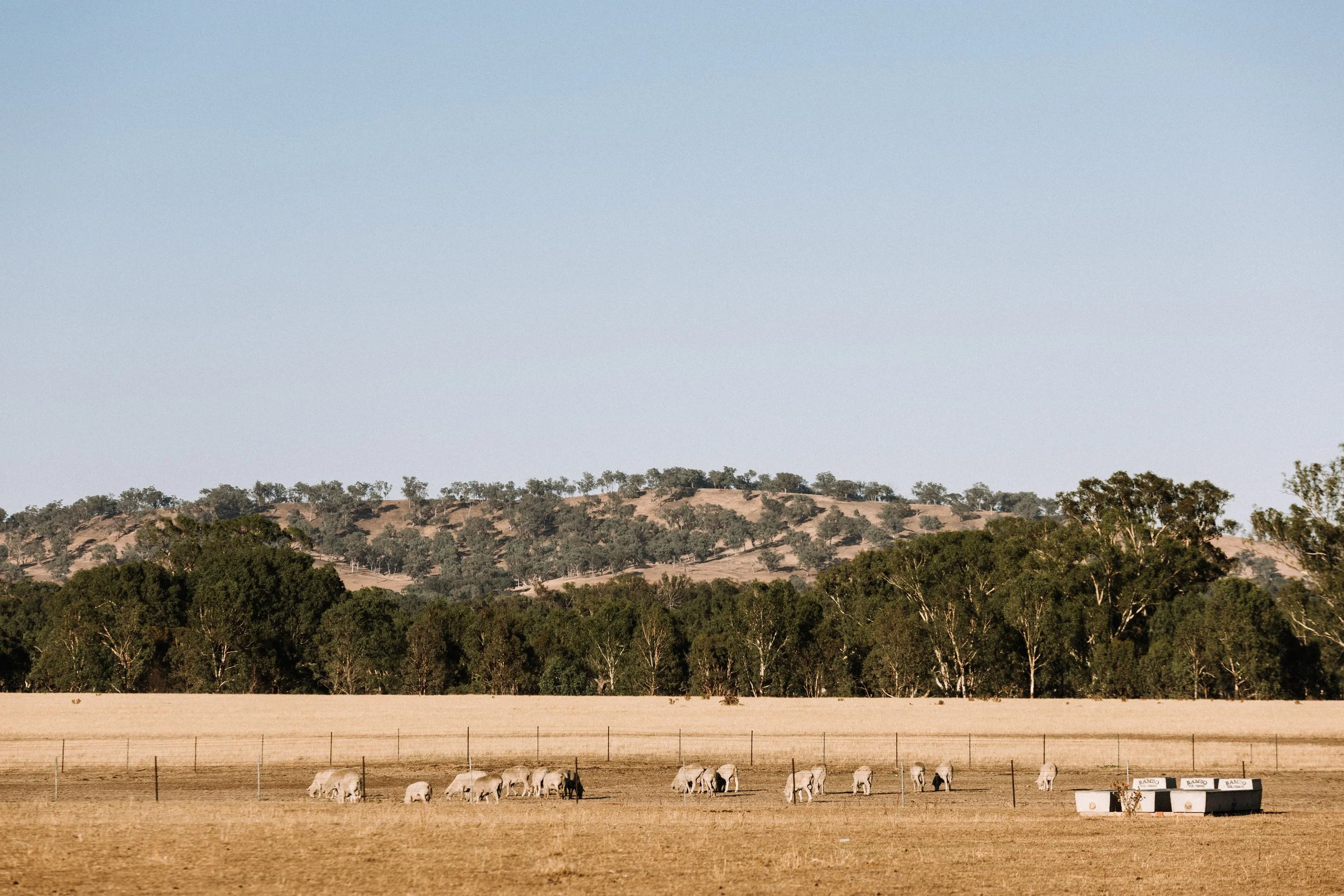
This year we’re moving all stock into containment pens, as we’ve had our third consecutive year without runoff into the dams. The priority now is managing conditions and making sure the sheep adapt well to that system so we can maintain productivity through the dry spell.
14. How do you see genetics and environmental adaptability shaping the future of sheep farming in your region?
There’s a mix of enterprises here, cropping, cattle and sheep, and what works best often comes down to what suits both the land and the farmer’s focus. Genetics that match the environment will be increasingly important, because the more aligned the sheep are to the conditions, the better they’ll perform long term.