
An interview with Jim Meckiff, JM Livestock
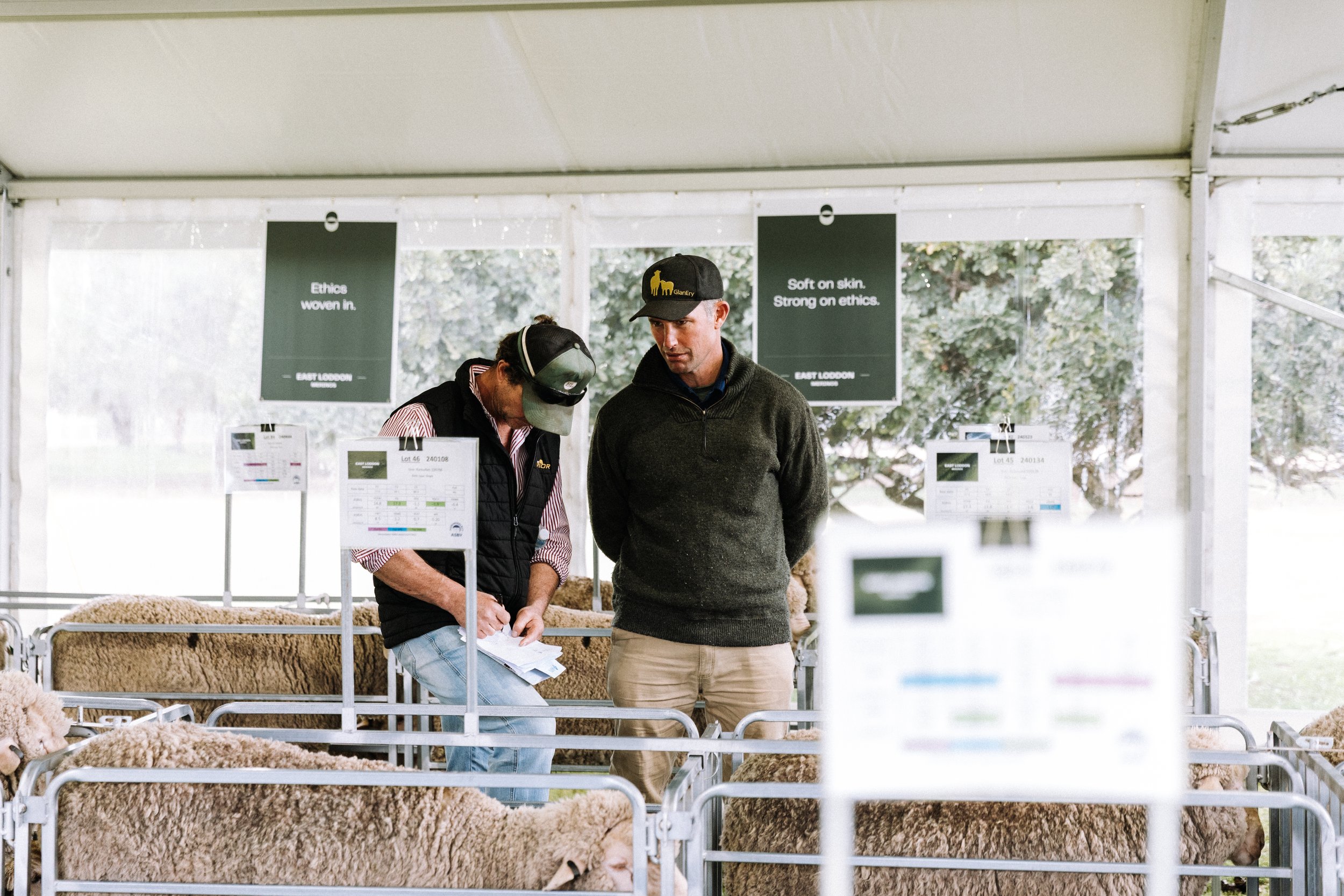
Jim Meckiff is an independent livestock consultant with over two decades of experience across agribusiness, research and extension. He has worked closely with East Loddon for many years, both through his advisory role with commercial producers adopting their genetics and through direct involvement in trait scoring and genetic evaluation. Which gives Jim a deep, first-hand understanding of the East Loddon breeding program and long-term genetic progress.
1. Jim, can you tell us about your role as an independent livestock consultant?
JM Livestock was established in 2019, following more than 20 years working across agribusiness, research and extension. My role is to bring that experience into an advisory capacity, supporting both commercial producers and stud breeders. I work across a wide range of livestock enterprises, helping clients refine their systems, explore new opportunities and improve long-term performance, often through better genetics. Genetic progress takes time, so most of the producers I work with are focused on the long haul.
2. What types of enterprises do you typically work with?
My focus is livestock, but most operations today are mixed farming enterprises. I’m breed-agnostic, whether it’s prime lamb, Merino wool production or dual-purpose systems, the fundamentals are the same. There are almost always opportunities to improve genetics and management. A fresh set of eyes, combined with producers who are open to change, can make a significant difference.
3. How did your relationship with East Loddon begin?
I’ve known Tom for many years, going back to his earlier work in sheep genetics. The family has always had a strong passion for sheep production. When they relocated and established East Loddon in a tougher environment, they took a long-term, sustainable approach – focusing on easy-care, fertility, growth and animal welfare. It was a different direction to what many producers (and breeders) had traditionally pursued, but it’s one that’s clearly gaining traction.
4. Why have you recommended East Loddon genetics to your clients?
East Loddon is highly respected because the genetics consistently deliver where it matters commercially. Clients see extra growth, even in the first-cross lamb market, excellent carcass shape, bright white wool, and strong fertility rates. The sheep adapt remarkably well across different environments, from western conditions through to the Southern Tablelands, which is a big advantage for mixed farming systems.
5. What improvements have you observed in enterprises using East Loddon genetics?
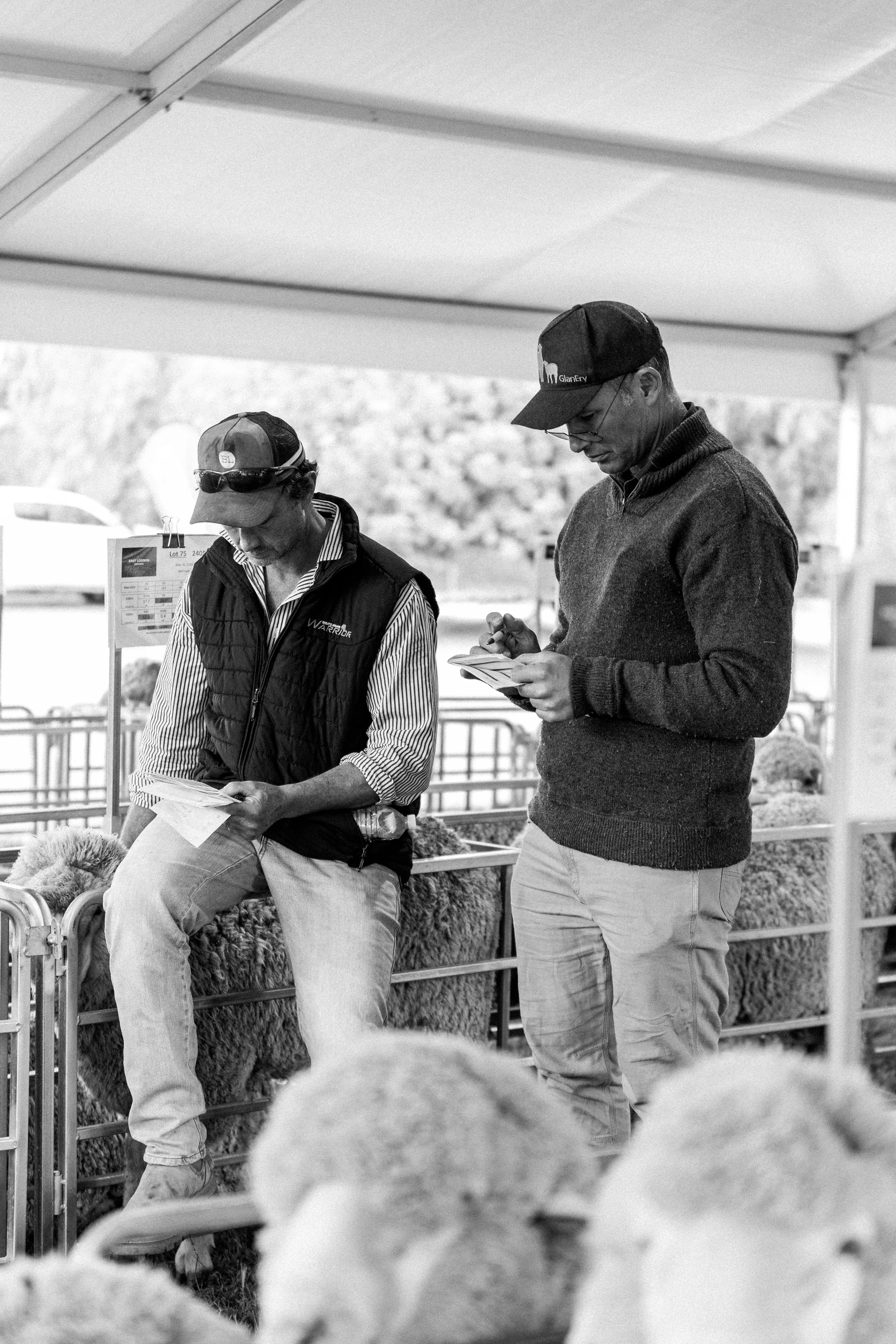
The most noticeable improvements include wool brightness and staple length, combined with better growth, muscling and carcass shape in replacement and first-cross lambs. That balance is particularly valuable as many enterprises shift from wool-dominant systems to meat-and-wool or meat-focused production. Seeing those gains in the first generation gives producers confidence they’re heading in the right direction.
6. How do East Loddon genetics support non-mulesed and easy-care systems?
The breeding values clearly point towards animals with lower breech wrinkle, cleaner points and improved muscling, all critical for non-mulesed systems. Clients using East Loddon genetics have
successfully transitioned away from mulesing without experiencing breech or body flystrike under normal management. The white, crimped wool structure also reduces moisture retention, further lowering flystrike risk. When you consider all traits together, these sheep are not just easier to manage, they are equally, if not more, profitable.
7. From a sustainability perspective, how do these genetics perform?
Sustainability today is about producing animals that are productive, resilient and low maintenance. East Loddon genetics align strongly with that, fewer animal health issues, better fertility, and sheep that perform under commercial conditions. It’s not about chasing one trait; it’s about building a balanced animal that works within modern welfare expectations and consumer expectations.
8. What stands out most to you about working with East Loddon?
Beyond the genetics, it’s the people. Tom and Sarah are transparent, open to feedback, and genuinely committed to improvement. Rams are run under true commercial conditions, there’s no show team hidden away. What you see is what performs. Being involved year after year and seeing the genetic progress generation by generation is incredibly rewarding, not just for them, but for the producers using their genetics.